Brake Repair: Pads vs. Rotors Explained
Your vehicle’s braking system plays an essential role in keeping you safe on the road. Two of its most important components are brake pads and brake rotors. Although they work together to help your vehicle slow down and stop, they serve different purposes and experience different types of wear. At Bruce's, we provide professional brake repair services to help drivers maintain reliable braking performance and identify problems before they become more serious.
What Are Brake Pads?
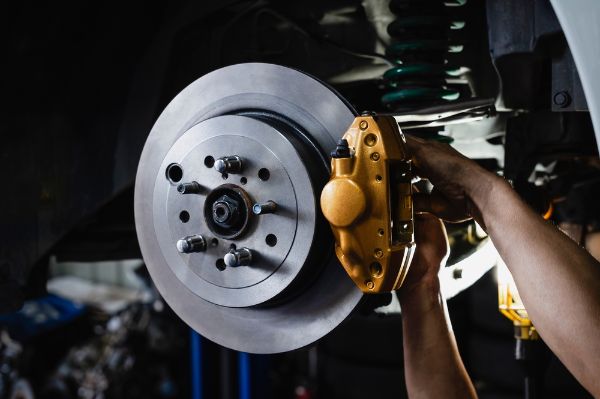
Brake pads are friction components that press against the brake rotors when you apply the brake pedal. This friction slows the rotation of your wheels, allowing your vehicle to come to a controlled stop.
Over time, brake pads gradually wear down through normal use. Driving habits, traffic conditions, vehicle weight, and the type of brake components can all influence how quickly they wear.
Common signs of worn brake pads include squeaking, grinding, reduced braking performance, and a brake pad warning indicator on vehicles equipped with one. If you notice these symptoms, scheduling a professional brake inspection can help determine whether replacement is necessary.
What Are Brake Rotors?
Brake rotors are metal discs connected to the wheel assembly. When you press the brake pedal, the brake pads clamp against the rotors to create the friction needed to slow your vehicle.
Rotors can also wear over time. Repeated braking generates heat, and excessive heat or uneven wear can contribute to surface damage, distortion, or thickness variations. These conditions may affect braking performance and cause noticeable vibrations.
If your steering wheel or brake pedal shakes when you apply the brakes, a technician should inspect the braking system to identify the underlying cause. Rotor problems are one possibility, but other components can produce similar symptoms.
Brake Pads vs. Rotors: What Is the Difference?
The primary difference is their function. Brake pads create friction against the rotors, while the rotors provide the surface that the pads grip to slow the wheels.
Both components must work together correctly for dependable braking. Replacing brake pads without addressing damaged or excessively worn rotors can affect braking performance and may contribute to premature pad wear.
However, rotors do not automatically need replacement every time brake pads are changed. If the rotors remain within the manufacturer's thickness specifications and have no unacceptable damage, resurfacing when permitted or reusing them may be appropriate. A professional inspection helps determine the correct service for your vehicle.
When Should You Have Your Brakes Inspected?
Regular brake inspections help identify worn components and potential safety concerns. During a brake service appointment, our technicians at Bruce's can examine pad thickness, rotor condition, brake fluid, calipers, and other related components.
Pay attention to warning signs such as grinding noises, unusual vibrations, a soft brake pedal, or changes in stopping performance. If your brakes grind or your vehicle becomes difficult to stop, avoid driving it and arrange professional assistance.
Schedule Your Brake Repair Service Today
Understanding the difference between brake pads and rotors can help you recognize potential problems, but a professional inspection is the best way to determine what your vehicle needs. At Bruce's, we are committed to helping drivers maintain safe, dependable braking systems through thorough inspections and quality brake repair services.
Do not ignore unusual brake noises, vibrations, or changes in braking performance. Contact Bruce's today or visit Bruce's Automotive Inc. to schedule your brake inspection. Let our team evaluate your braking system, explain our findings, and recommend the appropriate service to help keep you confident behind the wheel in East Aurora and the surrounding communities.